Shadow on the Wall: Spiritual Meaning Insights
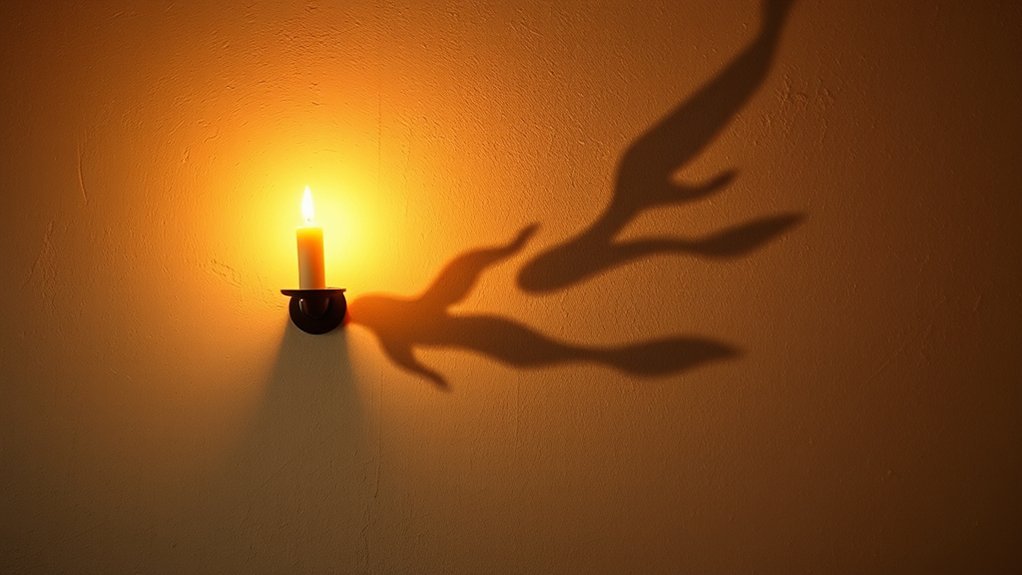
Have you ever thought about how a shadow can tell you a lot about yourself? When light hits something, it creates shadows. This dance between light and dark can help you see your own feelings and worries. Instead of ignoring these parts of yourself, what if you welcomed them? Looking at your shadows can help you learn and grow.
As you think about this, ask yourself: What are your shadows saying to you?
Key Takeaways
Shadows on the wall show parts of ourselves that we might not see right away. They can help us think deeply about our feelings and understand ourselves better.
These shadows show how light and dark work together. They remind us to accept both sides of ourselves to really know who we are. When we look at our shadows, we may uncover hidden fears and wishes. This can help us grow and accept our feelings more fully.
In spiritual practices, shadows teach us about change and growth. They encourage us to turn tough times into chances to learn and shine.
Thinking about shadows can help us feel more connected to ourselves and to others. This connection is important for personal growth and acceptance. Embracing our shadows can lead to a happier and more complete life.


Understanding Shadows: A Reflection of the Self
As you think about shadows, remember they aren't just dark shapes. They show parts of you that you mightn't usually see.
When you welcome your shadows, you get to know yourself better. This helps you take a good look inside and understand your feelings.
Facing your shadows allows you to connect with yourself. It builds a sense of belonging in your heart and mind.
The Symbolism of Shadows in Spiritual Practices
Shadows have importance in spiritual practices, even if many people don't notice them. They show us what we can't see in our lives. Shadow symbolism encourages you to look deeper, helping you connect with your real self and with other people.
When you embrace your shadows, you can see that every light creates a shadow. This shadow can be about fears, doubts, or even hidden strengths. In rituals or meditation, shadows can help you find your way. They guide you to feel whole.
By understanding that everyone experiences shadows sometimes, you build a sense of belonging. This awareness allows you to feel empathy for yourself and for others. You learn to accept these important parts of your journey without fear.
Shadows aren't just dark; they help us grow and connect.
Embracing the Shadow: Lessons in Personal Growth
Embracing your shadow can teach you a lot about yourself. Shadow work means looking at the fears and feelings you often hide. Instead of ignoring them, take a moment to notice they're there. This process helps you feel stronger and more accepting of yourself.
When you face your fears, you become more resilient and true to who you are. Letting go of any shame linked to your shadow allows you to connect with others facing similar issues.
This journey of embracing your shadow leads to healing and change. You can come out of it feeling stronger and more complete. Appreciate this journey; it helps you understand yourself better.
Recognizing Shadow Archetypes in Daily Life
How often do you see shadow archetypes in your daily life? Paying attention to these shadows can help you connect better with others and grow as a person.
Here are some thoughts to help you notice them:
- You might hear your inner critic when things get tough.
- Feeling jealous during chats can show a shadow side.
- You may avoid conflict, even when it's needed.
- Sometimes, you might blame others for traits you dislike.
- You might feel overwhelmed by how others feel.
Every interaction is a chance to see your shadows and learn about yourself.
When you notice these patterns, you create a sense of belonging and understanding.
Remember, spotting these archetypes isn't about judging yourself. It's a way to explore who you're and find light in your life.
Embrace these moments and watch how you grow!
Transforming Shadows Into Light: Pathways to Enlightenment
Recognizing your shadow parts can help you turn them into light and wisdom.
Start the practice of inner alchemy. This means changing your problems into chances to grow. When you welcome your shadows with kindness, you begin a strong process of integrating them.
This journey asks you to face your fears and doubts, which leads to healing and understanding. As you grow more aware of yourself, you'll see that your hidden parts have important lessons and insights.
Light doesn't make darkness disappear; it goes beyond it. You'll feel a stronger sense of belonging to yourself and to all people.
Join this transforming path, and watch as your shadows light your way to enlightenment.
Frequently Asked Questions
How Do Shadows Relate to My Emotional Health?
Shadows can show us parts of our emotions. When we accept them, we can start to feel better inside. By looking at our fears and worries, we can change tough moments into chances to grow. This helps us connect more with ourselves and with others. Embracing our shadows can lead to healing and stronger relationships.
Can Shadows Influence My Relationships With Others?
Yes, shadows can affect your relationships. When we talk about shadows, we mean the hidden parts of ourselves that we might not show to others. These hidden sides can change how we communicate and interact with people.
When you acknowledge these shadows, you can build closer connections. People start to understand each other more. This understanding creates a feeling of belonging.
Are There Specific Rituals for Shadow Work?
Yes, there are special rituals for shadow work that you can try. You can do things like journaling, meditating, or following guided visualizations. Each of these activities helps you to face and accept your shadows. This can lead to healing and a stronger sense of belonging.
If you keep a journal, write down your thoughts and feelings. This can help you understand your inner self better. Meditation can help calm your mind and bring focus. Guided visualizations let you explore your emotions in a safe space.
How Do I Recognize My Own Shadow?
To recognize your own shadow, start with self-awareness techniques. Try journaling or meditating. These practices help you think about your thoughts and feelings. Look closely at any fears you have. These fears can show you parts of yourself that you might not see.
When you notice these feelings, accept them. This acceptance helps you feel more connected to yourself. It also makes your personal growth journey smoother. Remember, discovering your shadow is a step towards understanding who you really are. So, take your time and be kind to yourself as you explore.
What Are Common Misconceptions About Shadows in Spirituality?
People often think shadows only mean darkness. That's not true. Shadows can show us both light and dark. Many cultures see shadows in different ways, and they have different meanings.
Shadows can help us grow and change. They invite us to learn more about ourselves. So remember, shadows are not just about fear or sadness. They can lead us to a deeper understanding of who we are. Embrace your shadows and see what they can teach you!

I’m Eliza Trinity, a spiritual guide and writer at SoulfulSignificance.com, where my mission is to illuminate the path of spiritual fulfillment through Christ’s teachings. With a Theology degree and a counseling background, I blend biblical wisdom with real-world insight to support those on their journey to discovering their soul’s significance.